A Complete Overview to Tailored Produce Boxes: Materials, Forms, and More
Custom fruit and vegetable boxes are important in the transportation of fresh fruits and vegetables. The selection of materials, styles, and green options significantly influences both preservation and presentation. Knowing these elements can boost brand differentiation and customer satisfaction. Still, not all packaging solutions are made the same. Examining the details of effective designs can uncover key insights into optimizing freshness and appeal. What factors must one consider when choosing the best packaging?
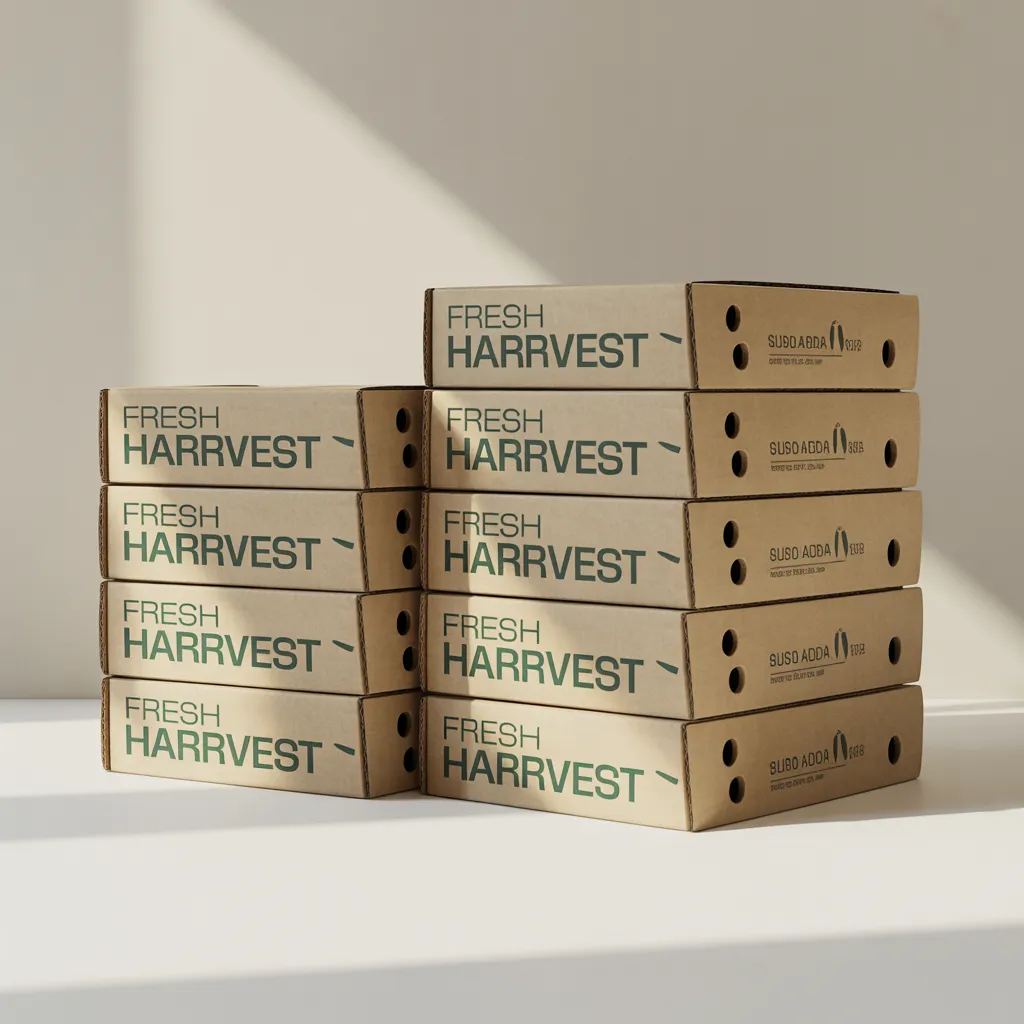
The Importance of Custom Containers for Fresh Produce
Custom packaging functions as a key element in the protection and display of fresh produce. It ensures that fruits and vegetables remain intact during transportation, reducing bruising and spoilage. This safeguarding capability is critical for maintaining the freshness and quality that consumers anticipate. In addition, custom packaging can heighten the aesthetic charm, making products more compelling to potential useful tips buyers. By incorporating unique designs and branding elements, businesses can stand out their offerings in a competitive marketplace.
Moreover, tailored packaging options can enhance shelf life through design elements such as air vents or humidity regulation, adjusting to the particular requirements of different produce types. This flexibility helps in reducing waste, aligning with sustainability goals. Ultimately, personalized packaging solutions serves both practical and promotional objectives, strengthening brand identity while making sure that fresh produce arrives at consumers in peak condition. As a result, committing to quality bespoke packaging is vital for producers looking to elevate their products and satisfy consumer expectations.
Determining the Best Materials for Your Produce Boxes
Choosing the right materials for produce boxes is crucial for keeping produce fresh and guaranteeing safety during transport. Sustainable options not only appeal to environmentally conscious consumers but also enhance brand reputation. Additionally, the durability of these materials plays a important part in safeguarding produce from damage.
Eco-Friendly Material Alternatives
As companies increasingly emphasize sustainability, deciding on the right components for produce boxes has become critical. Green options include recycled cardboard, which lowers waste and requires less energy in production. Biodegradable materials, such as cornstarch-based plastics, offer an alternative that breaks down naturally, reducing environmental impact. In addition, bamboo and other rapid-growth plants serve as sustainable sources, providing robustness and long-lasting quality. These materials not only match eco-conscious values but also cater to a growing customer demand for sustainable methods. Companies can further enhance their sustainability by choosing soy-based inks and minimal designs, lowering the overall environmental footprint while maintaining an appealing aesthetic. Ultimately, selecting sustainable materials reflects a commitment to both quality and environmental responsibility.
Longevity and Protection Factors
Deciding on suitable products for packaging solutions copyrights on longevity and defense. Top-tier materials, such as corrugated cardboard or sturdy plastic, play an important role in protecting contents throughout transport and storage. Corrugated cardboard offers outstanding durability-to-lightness balance, ensuring sufficient cushioning from impacts while remaining lightweight. On the flip side, plastic alternatives may be better protected to moisture and pests, boosting the longevity of the produce. Additionally, incorporating features such as reinforced edges or ventilation holes can further safeguard the contents and keep freshness. At the end of the day, picking the right materials ensures that produce boxes not only withstand the rigors of the supply chain but also supply quality unblemished products to consumers, thereby improving customer satisfaction and market standing.
What Styles Are Ideal for Personalized Produce Boxes?
Evaluating the suitable styles for custom produce boxes, it's necessary to balance functionality with aesthetic appeal. Several styles excel for their effectiveness in featuring products while ensuring safe transport.
The classic open-top crate provides excellent ventilation, rendering it suitable for products that need air circulation, such as lettuce and spinach. On the other hand, the auto-locking container design offers ease of assembly and extra protection, ideal for fragile fruits and vegetables.
For marketing goals, window boxes enable consumers to examine the items inside, enhancing visual attractiveness and reliability. Additionally, stackable formats maximize storage efficiency, aiding retailers and consumers alike.
Finally, the use of dividers within boxes helps keep different types of produce organized, minimizing damage during transit. By combining these styles, businesses can create custom produce boxes that not only safeguard the items but also attract customers through innovative design.
Eco-Friendly Alternatives for Sustainable Packaging Materials
Custom produce boxes now use sustainable packaging methods that have become ever more vital in their development. Manufacturers emphasize materials that minimize environmental impact while maintaining functionality. Recycled cardboard and biodegradable plastics are popular materials, as they reduce waste and promote a circular economy. These materials effectively preserve produce, ensuring freshness and quality during transport.
Furthermore, water-based inks and adhesives are gaining traction, delivering a harmless substitute for manufacturing and joining. The incorporation of compostable materials further enhances eco-friendly practices by allowing consumers to remove packaging without contributing to landfill waste.
In addition, light designs contribute to decreasing transportation emissions, making the full supply chain more environmentally sound. As consumer awareness around sustainability grows, brands are encouraged to embrace these eco-conscious options in their custom produce boxes, aligning with ethical practices and appealing to green-conscious customers. Such initiatives not only aid the planet but also enhance brand reputation.
Design Graphics That Help Your Produce Boxes Stand Out
To make sure commodity boxes capture attention, effective visual elements are a key requirement. Bold color palettes, inventive typography decisions, and engaging visual elements can markedly enhance visual impact. These components both captivate customers and communicate brand essence in an effective manner.
Bold Color Schemes that pull the gaze
When creating personalized vegetable packaging, selecting eye-catching color schemes plays an essential role in drawing consumer attention. Bold hues can trigger feelings and communicate vitality, rendering them perfect for produce packaging. Vivid emerald tones, rich reds, and sunny yellows are often linked to wellness and vitality, appealing to health-conscious consumers. Complementary color palettes can enhance readability and highlight key information, drawing the eye to important details such as product names or sustainability credentials. Additionally, integrating timely color palettes can establish a feeling of immediacy and relevance, promoting spontaneous buying. In the end, a carefully planned color palette not only enhances visual appeal but also reinforces brand identity, ensuring that the produce boxes distinguish themselves in a crowded marketplace.
Special Typography Alternatives
Typography serves as a strong tool in the design of custom produce boxes, where unique font choices can greatly enhance visual appeal and brand identity. By selecting distinctive typefaces, brands can convey their personality and values, setting themselves apart in a crowded market. For example, playful fonts might evoke a sense of fun and freshness, while elegant serif fonts can suggest premium quality. Additionally, the size and weight of typography play essential roles; bolder text can draw attention, while lighter fonts can create an airy feel. Proper alignment and spacing further contribute to the overall aesthetic, ensuring readability and impact. Ultimately, thoughtful typography choices can transform a simple produce box into a compelling marketing tool, effectively engaging consumers.
Interactive User Interface Elements
Distinctive typography selections lay a solid base for effective packaging design, but adding engaging interactive features can elevate custom produce boxes even more. These elements captivate consumers and enhance their experience, making the packaging memorable. Methods such as QR codes can provide customers with extra product information, recipes, or promotional offers, fostering a connection between the brand and the consumer. Augmented reality capabilities can transform a simple box into an engaging experience, captivating tech-savvy audiences. Textured surfaces and distinctive closure systems also encourage tactile interaction, prompting customers to explore the product inside. By integrating these interactive components, brands can develop produce boxes that not only protect the contents but also function as a dynamic marketing tool, enhancing overall appeal and customer satisfaction.
Optimizing Your Produce Box for Delivery
Optimizing a produce box for transport necessitates several significant aspects to assure freshness and decrease waste. First, selecting the correct materials is crucial; corrugated cardboard is often favored for its durability and insulation properties. Additionally, incorporating breathable designs helps maintain dampness and airflow, deterring spoilage.
Next, the interior design must be thoughtfully arranged to minimize shifting during transit. Dividers or inserts can safeguard produce, reducing damage. Moreover, temperature control is vital; including gel packs or insulation can help maintain the ideal environment for perishable items.
Labeling is also significant, as clear guidance on handling and storage can aid in maintaining product quality. Finally, selecting an appropriate shipping partner guarantees timely delivery, further boosting freshness. By focusing on these factors, businesses can successfully enhance their produce boxes for efficient and reliable shipping.
Frequently Asked Questions
What Steps Should I Take to Ensure My Produce Boxes Tamper-Resistant?
To guarantee produce boxes are tamper-proof, one should implement sturdy sealing techniques, add tamper-evident labels, and select durable packaging. Regularly inspecting packaging quality also supports product safety and customer confidence.
Learning About the Typical Timeline Requirements for Tailored Curated Produce Box Orders?
Conventional delivery timelines for tailored produce box placements range from two to six weeks, depending on design sophistication, materials, and manufacturer capacity. Prompt communication with distributors can help guarantee efficient processing and delivery.
Might I Acquire Minimal Batches of Custom Fresh Food Boxes?
Yes, restricted volumes of custom produce boxes can normally be requested. Many distributors facilitate such requests, often providing starting order levels that address enterprises with tight requirements or those trying out new containment options.
Do distinct regulations exist for packaging fresh produce?
Yes, there are specific regulations for packaging fresh produce, such as safety standards, label specifications, and material guidelines. These rules ensure food safety, maintain quality standards, and provide essential details for shoppers regarding handling and storage.
What's the Best Way to Keep Produce Crisp While In Transit?
To keep fresh produce in transit, one should employ thermal packaging, regulate temperature, guarantee sufficient airflow, and choose moisture-regulating materials. Frequent checks during transport is crucial to reduce spoilage and increase storage longevity.